
One fixture or outlet
Name the room and affected light or device. Mention when you first noticed the change and whether it comes and goes.
Electrical project planning · Rancho Santa Fe
New equipment or a detached area may need more than an outlet. AWC connects electrical requirements, access and affected finishes before you commit to the scope.
A useful first messageTell us the affected area and what you noticed. For an addition, include the equipment model. Keep panels and covers closed.
See what an AWC diagnostic visit found →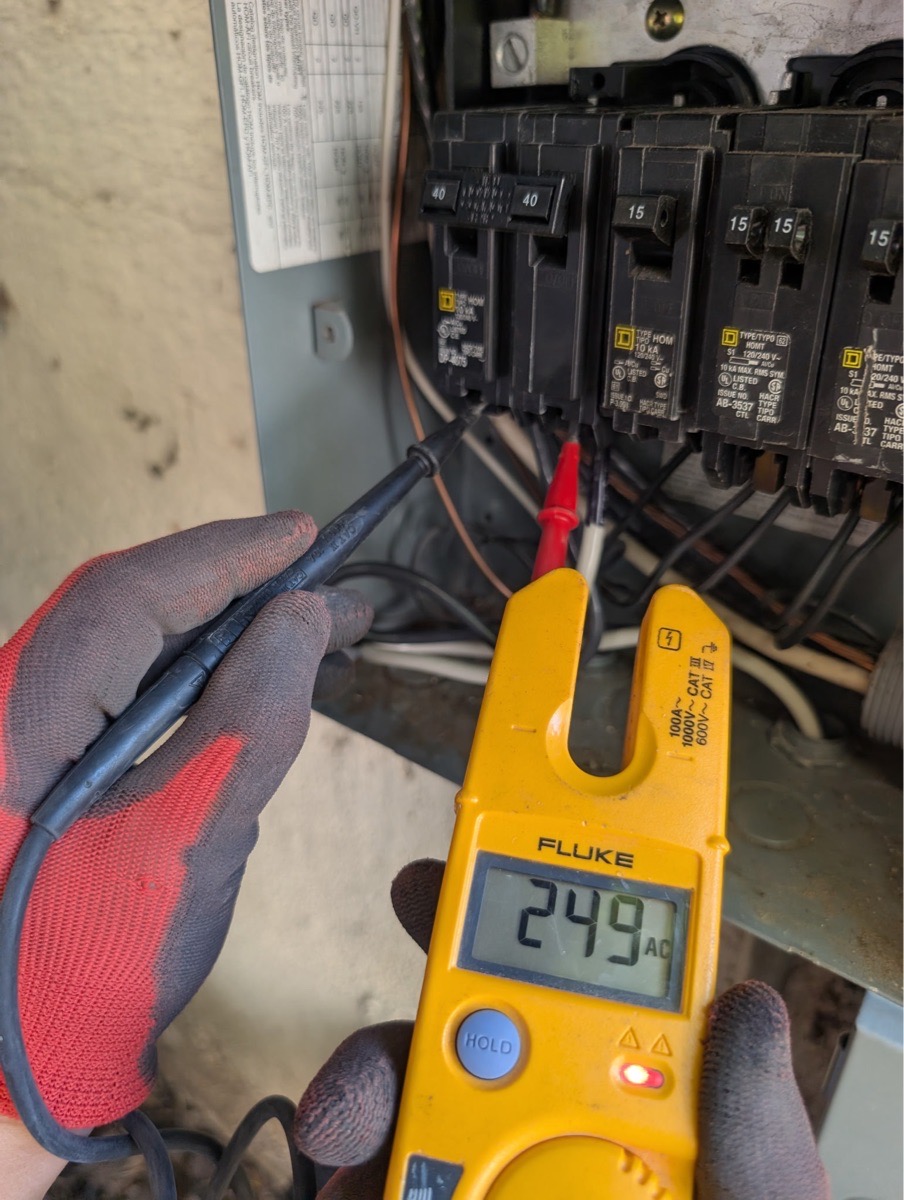
Electrical repairs · Rancho Santa Fe
A symptom helps define the visit; it does not identify the fault. Tell AWC what you already noticed, without trying to make it happen again.
Name the room and affected light or device. Mention when you first noticed the change and whether it comes and goes.
List the areas affected and when it began. Tell us whether other areas still had power; do not test additional equipment.
Start with a call. Describe the symptom so we can discuss the next step. Photos are optional: send only views available from a safe position, with covers closed.
Do not open equipment, remove covers, reset repeatedly, or approach wet electrical areas. Keep away from smoke, sparking, burning smells or damaged equipment and seek emergency help as appropriate.
From a documented AWC visit in Kensington
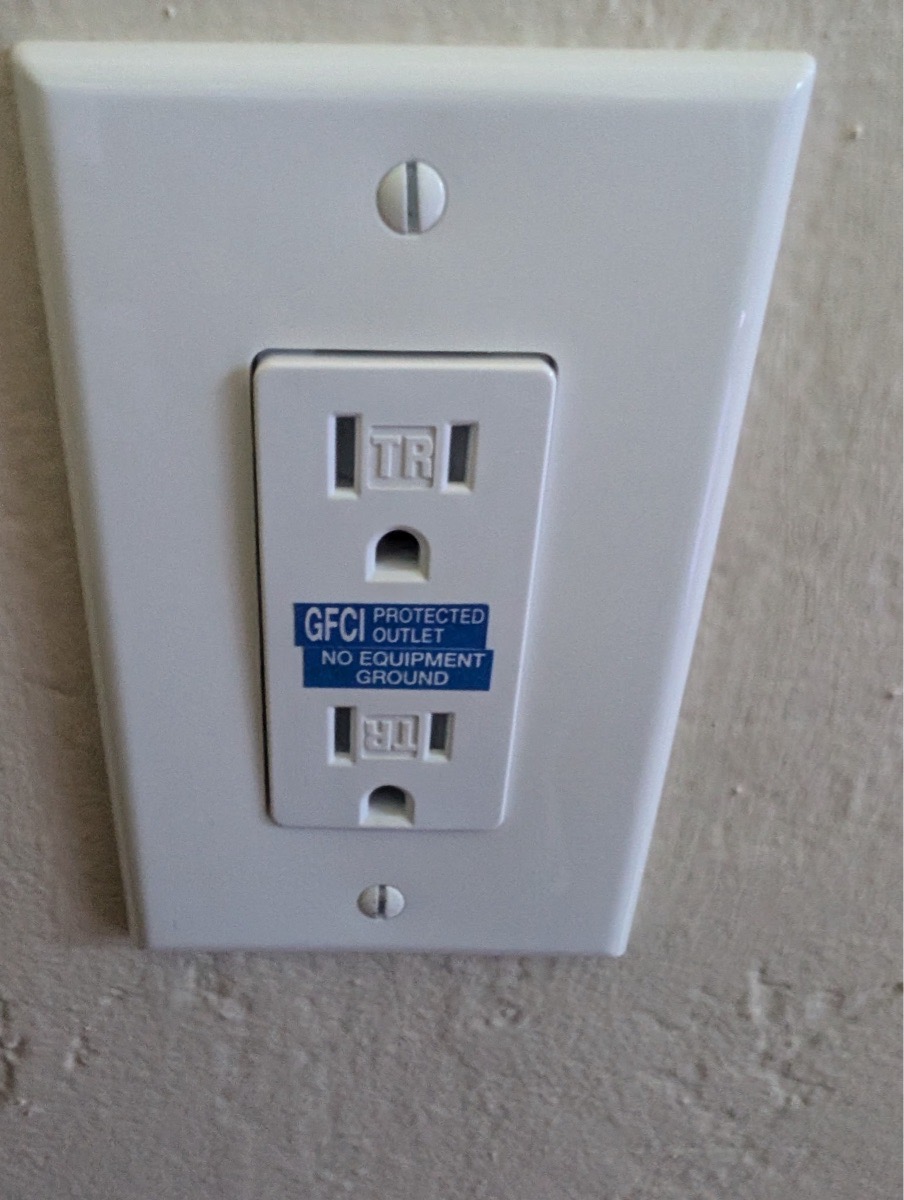
The reported bedroom flicker was not reproduced. A separate failing AC/condenser breaker was replaced. These photos do not establish the condition of another property.
Read the findings and repair boundaries →Problem → scope
A late route decision can disrupt paving, landscape, walls, gates, and finished rooms. Start with the intended equipment and destination, then map the property conditions that the written scope must address.
Where will the new electrical use or equipment live?
What model information and intended use are known?
What lies between the existing electrical area and destination?
Which walls, paving, landscape, coatings, or finishes are involved?
Property route map
This conceptual property map shows the approval stages that shape scope. It is a planning diagram, not a wiring diagram.
Open the project brief builder →From AWC’s field library
See AWC field context for protection, finish coordination, and the property conditions that can shape a routed addition.
AWC field video
A separate AWC field example shows why a conduit route and the surrounding surface work belong in the same planning discussion. It is not the Kensington case study.
Watch directly on YouTube ↗AWC article
This 2025 article explains why utility coordination, access, equipment, and stucco affect the scope. Its historical prices are background; your project needs a current written quote.
AWC article
Decide where an electrical opening ends and the wall-restoration scope begins, including texture, coating, and the limits of matching an existing finish.
Electrical project planning library
Use the guides to prepare better photos and questions. Field conditions and the written proposal still control the actual work.
Detached-space planning
Prepare a practical electrical brief for a detached office, workshop, studio, garage, or accessory space before routes and equipment are priced.
Route comparison
Compare trenching, concealed wall paths, and routes across finished paving by access, disruption, restoration, and verification needs.
Equipment information
Collect nameplate, instructions, accessories, location, delivery, and responsibility details for owner-provided electrical equipment.
Exterior finish coordination
Coordinate exterior electrical access, penetrations, weather details, stucco layers, texture, coating, and closure responsibility.
Outdoor conditions
Document water paths, sun, irrigation, landscaping, impact risk, service access, and finish interfaces before outdoor equipment is scoped.
Occupied-property coordination
Prepare an occupied property for electrical work with a written outage window, access map, communication plan, and restart responsibilities.
Phased project planning
Plan conduit, access, documentation, and space for a later phase while keeping capacity and future requirements subject to review.
Proposal review
Review electrical proposals by verified inputs, route, shutdown, construction restoration, exclusions, change control, and closeout records.
New owner guide
What should I do when only part of the house loses power? First keep away from smoke, sparking, burning smells, damaged equipment or wet electrical components, and seek emergency help as appropriate. From a safe position, record which rooms or detached areas lost power and check SDG&E outage information. Avoid repeated resets or opening equipment. A partial outage needs findings before a repair or panel replacement is selected.
Read the guide