
Exterior finish coordination
Define the electrical opening and the stucco repair as one sequence
Coordinate exterior electrical access, penetrations, weather details, stucco layers, texture, coating, and closure responsibility.
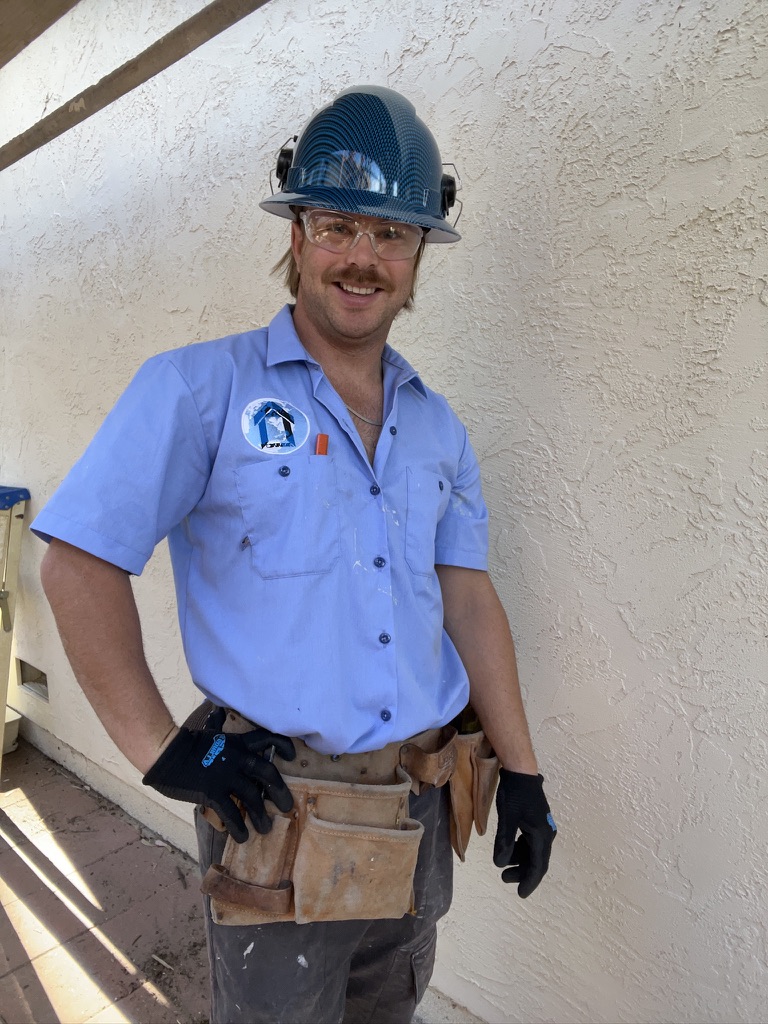
From All World Construction LLC
Owner Austin Mitchell · About AWC · Verify CSLB #1063936 · Updated
Exterior electrical work can affect much more than the visible device or conduit. A new route, box, disconnect, light, or equipment connection may require an opening or penetration through stucco and the layers behind it. If electrical and finish responsibilities are priced separately without a common boundary, the owner can be left with an unassigned opening, a rushed closure, or a texture and coating result that was never discussed.
Mark the proposed disturbance
Photograph the entire wall and close views of the work area. Mark the device, route, penetrations, anchors, access opening, and any surface-mounted components. Note nearby control joints, trim, openings, flashing, sealant, vents, meters, and existing cracks or patches without assigning a hidden cause.
Ask the electrical team what access is actually needed and when. The smallest visible hole is not always enough working room, while an oversized exploratory cut can create avoidable restoration. Keep the boundary preliminary until the route and underlying conditions are verified.
- Identify each penetration and exterior-mounted component.
- Record existing texture, coating, cracks, and prior patches.
- Name surfaces and details intended to remain untouched.
Separate electrical readiness from wall closure
The opening should remain available until the electrical work has completed applicable testing, documentation, inspection, or other required review and is released for closure. If field conditions change the route, pause before expanding the stucco work.
Photograph concealed conditions where practical and record who authorized closure. A finish crew should not be expected to decide whether electrical work is complete, and the electrical scope should not imply full stucco restoration unless the included layers and finish limits are listed.
Define the repair assembly and visual limit
Identify the observed wall assembly and the planned repair layers based on verified conditions. Address backing, water-resistive and flashing details, lath or reinforcement, base material, finish, sealant, texture, and coating only as applicable to the project. Do not assume concealed construction from exterior appearance.
Set an honest finish boundary. Existing texture, age, repairs, color, sheen, fading, and application method affect the transition. The proposal should state whether coating stops at the patch, a joint, an architectural break, or a broader wall plane. An invisible match should not be promised.
Close out both scopes together
Use a shared checklist for electrical release, penetration details, stucco repair, sealant, coating limits, cleanup, and final photographs. For a project that needs field verification, AWC offers a $250 Site Evaluation + Written Bid Package. The $250 is credited back when the quoted work is approved within 30 days.
The owner should receive one clear record showing which party completed each stage and what remains excluded. That is especially useful when exterior equipment will need future service, because access and weather details should not be disturbed casually after closeout.
Planning checklist
- The electrical disturbance is marked on wide and close photographs.
- Existing stucco and coating conditions are recorded.
- Electrical release is required before closure.
- Repair layers and penetration responsibilities are assigned.
- Texture and coating limits are stated honestly.
- Closeout records both electrical and finish work.
Common questions
Does an electrician repair stucco automatically?
No. The proposal should state who opens, protects, releases, rebuilds, textures, coats, and seals each affected area.
Can a small stucco patch match perfectly?
That cannot be promised. Existing texture, coating, age, lighting, and prior repairs influence how the transition appears.
When can the exterior opening be closed?
After the responsible electrical work has completed its applicable testing and review and the opening is released for the specified wall restoration.
Related AWC field context
AWC article
Patch, Recoat, or Restucco? How to Choose a Repair Scope
Decide where an electrical opening ends and the wall-restoration scope begins, including texture, coating, and the limits of matching an existing finish.
AWC article
Dust Control Is Part of the Repair: What Owners Should Expect
Plan protection, occupied access, debris movement, and cleanup when electrical access work also disturbs walls or finished surfaces.