
Phased project planning
Preserve practical options without promising future capacity
Plan conduit, access, documentation, and space for a later phase while keeping capacity and future requirements subject to review.
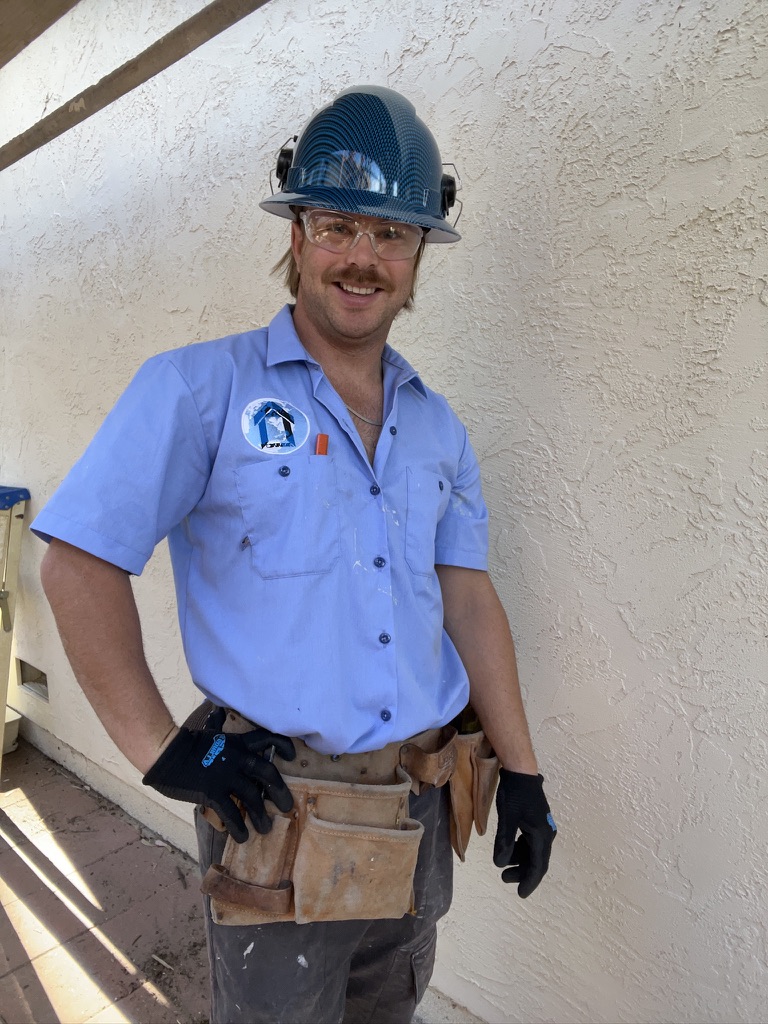
From All World Construction LLC
Owner Austin Mitchell · About AWC · Verify CSLB #1063936 · Updated
Owners often know a later project is possible before the equipment, schedule, or budget is settled. During current construction, it may be practical to preserve a route, provide accessible pull points, document concealed conditions, or coordinate space. Those provisions can reduce future demolition, but they do not prove that the electrical system will support an unknown future load or that later product and regulatory requirements will remain the same.
Describe the future scenario honestly
Write down the possible use, likely location, timing, and equipment information currently available. Label assumptions and alternatives. “Future outdoor equipment” is too broad to guide useful construction, while a specific scenario can help qualified personnel decide which provisions are sensible now.
Keep the present project separate. The current scope should stand on its own, with future items shown as options rather than requirements quietly added to the base price. If the future selection changes, the preserved route may still help without being represented as installation-ready.
- Name the likely future use and location.
- Separate known product facts from planning assumptions.
- Identify which present finishes would be costly to reopen.
Choose provisions with accessible endpoints
Possible provisions may involve pathway, access, documentation, physical space, or coordinated finish details, subject to qualified design. Endpoints and access points should be clearly located, protected, and recorded. A concealed empty path with no reliable record may have little future value.
Avoid adding field-selected components or routes based only on the idea that bigger is better. The responsible professional should determine the current installation details. Future circuit capacity, compatibility, utility service, and approval remain separate questions for the future project.
Coordinate finishes and records now
Photograph the route before closure where practical, use measurements from durable reference points, and retain approved drawings or marked plans. Identify covers, pull points, labels, and areas that must stay accessible. Record any deviation from the planned route.
Coordinate stucco, drywall, paving, landscaping, cabinets, and waterproofing around the approved provision. The finish scope should state what is being closed now and how later access is expected to occur without promising that no finish disturbance will ever be needed.
Require a fresh review for the later phase
When the future project becomes real, provide the exact equipment and retrieve the record from the current work. Have qualified personnel reevaluate the system, loads, route condition, equipment requirements, and applicable approvals at that time.
For a project that needs field verification, AWC offers a $250 Site Evaluation + Written Bid Package. The $250 is credited back when the quoted work is approved within 30 days. A written bid can compare the cost and disruption of building a useful provision now against reopening the completed surfaces later. The comparison should state the benefit without calling the future project approved, powered, or guaranteed.
Planning checklist
- The future scenario is specific but labeled preliminary.
- Present work remains complete without the future phase.
- Endpoints and access points are documented.
- Concealed routes are photographed before closure.
- Finish interfaces and later access expectations are stated.
- Future capacity and requirements remain subject to new review.
Common questions
Does an empty conduit guarantee a future installation?
No. It may preserve a route, but future equipment, capacity, condition, design, utility, and approval requirements still need review.
Should the largest possible pathway always be installed?
Not automatically. The current provision should follow qualified planning, verified site constraints, practical access, and the defined future scenario.
What records are useful later?
Approved plans, endpoint locations, measurements, labels, photographs before closure, product information, and written deviations can make future review more efficient.
Related AWC field context
AWC article
How Much Will Your Panel Upgrade Cost?
This 2025 article explains why utility coordination, access, equipment, and stucco affect the scope. Its historical prices are background; your project needs a current written quote.
AWC field video
Running conduit to kitchen island #concrete
A separate AWC field example shows why a conduit route and the surrounding surface work belong in the same planning discussion. It is not the Kensington case study.
Watch directly on YouTube ↗