
Documented AWC company work · San Diego County
One reported flicker, one separate confirmed breaker repair.
A documented AWC electrical visit in Kensington shows why a reported intermittent symptom and a separate confirmed defect need their own findings and next steps.
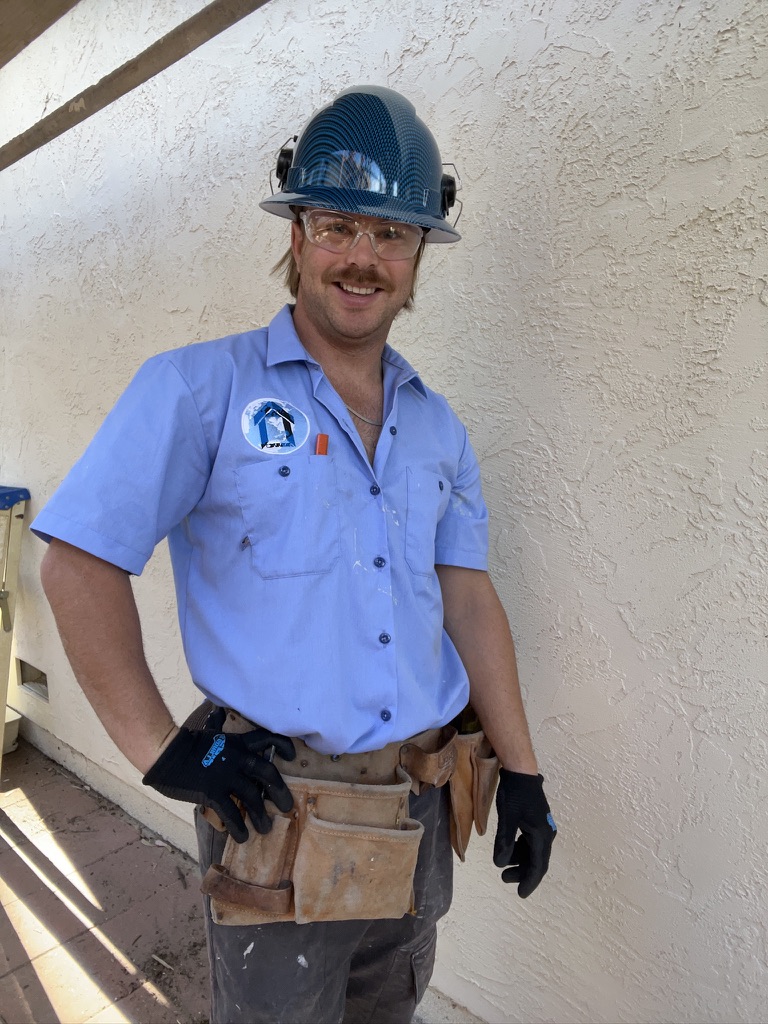
From All World Construction LLC
Owner Austin Mitchell · About AWC · Verify CSLB #1063936 · Updated
This AWC project took place in Kensington, San Diego. The bedroom flicker was not reproduced during the visit; a separate failing AC/condenser breaker was replaced. Further tracing, openings, device replacement, and finish repairs required a separate approved scope. These are diagnostic photos, not a before-and-after sequence.
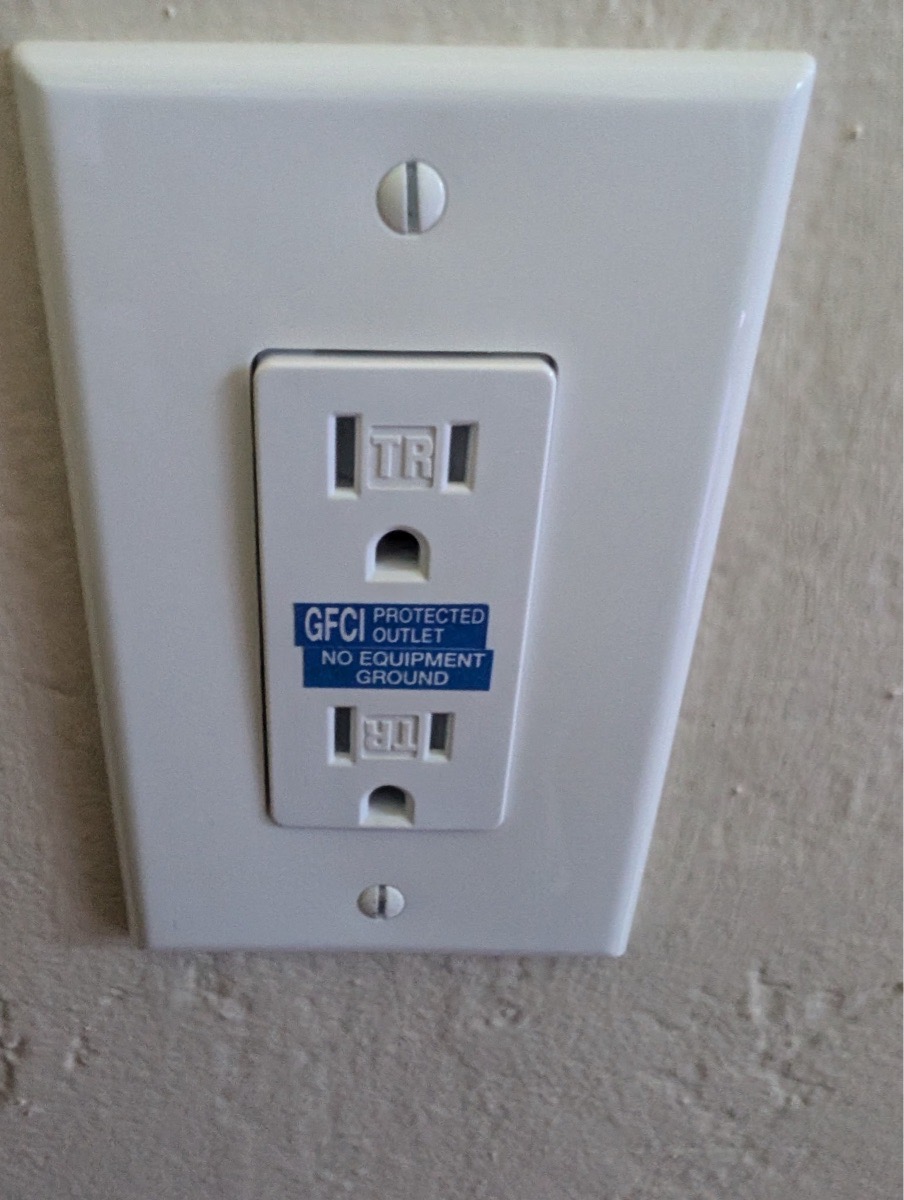
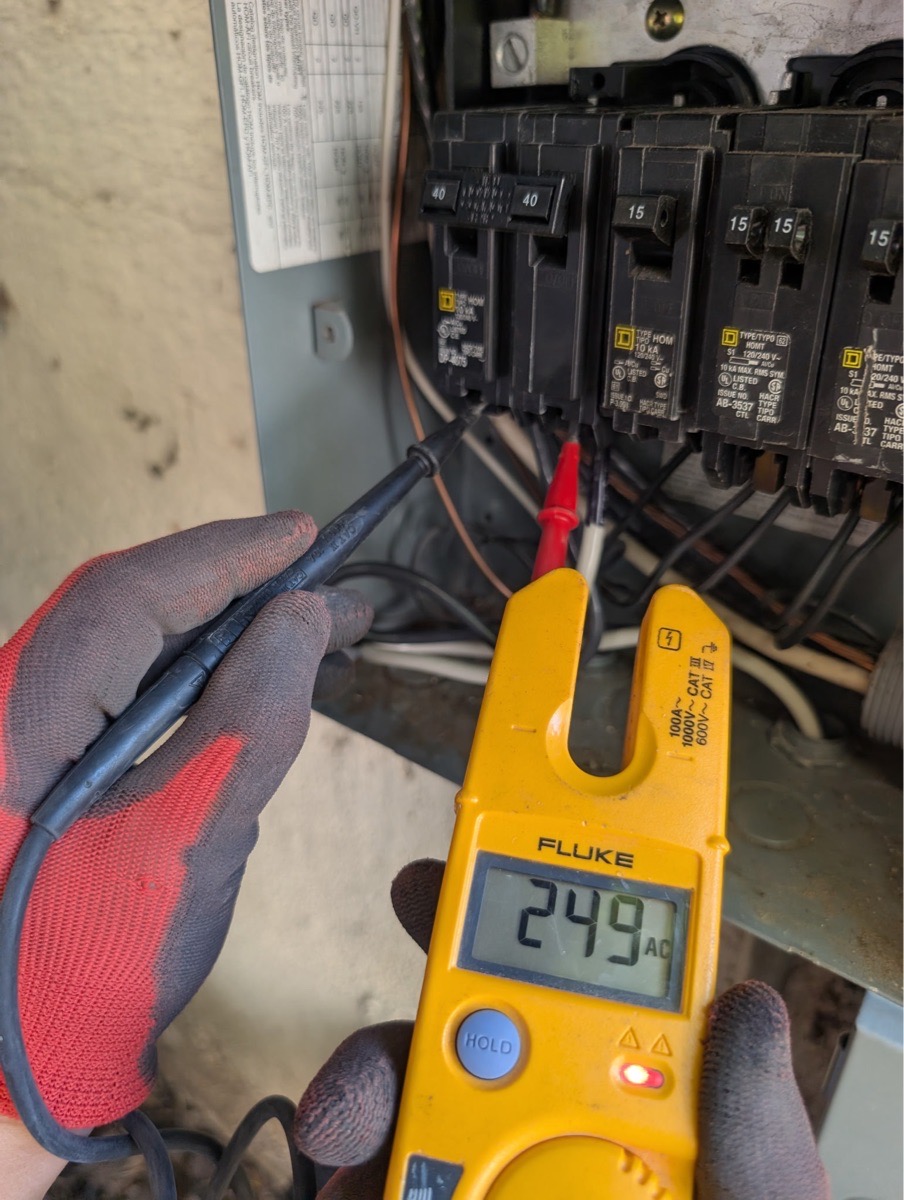
The customer reported voltage drop and flickering at other bedroom outlets when a fan was plugged into one receptacle. AWC's work record documents accessible panel, receptacle, and branch-circuit diagnostic work, voltage measurements, and a controlled-load check. The bedroom flicker did not occur during the visit, so that portion remained an intermittent report rather than a confirmed active failure. During the same visit, a separate failing AC/condenser breaker was identified and replaced. Keeping those two findings separate produced a more useful record than calling every electrical concern fixed.
Begin with the reported operating pattern
The useful starting point was specific: a fan was plugged into a bedroom receptacle, and flickering was reported at other outlets. That history identified the affected use and the condition the visit needed to investigate without assuming a cause.
For an intermittent concern, owners can write down the room, device in use, time, duration, nearby effects, and whether the symptom stopped on its own. Safe wide and close photos can help identify the area. Do not remove a cover, open a panel, handle test equipment, or repeat a concerning condition for a better photograph.
A symptom that does not repeat is still a finding
The record documents accessible diagnostic work, voltage measurements, and a controlled-load check. The reported bedroom flickering could not be duplicated during the visit, and no active failure was confirmed on that portion while testing occurred.
That result does not erase the customer's report, and it does not support a guessed repair. It creates a clear next decision: preserve the operating history, identify any safe pattern if the symptom returns, and define targeted follow-up around the affected branch circuit instead of expanding immediately into unrelated work.
Keep a separate confirmed defect in its own lane
The same work record identifies a separate failing AC/condenser breaker. That breaker was replaced, accessible terminations were checked, and power was verified at the time of completion. Those documented actions support a bounded breaker-repair statement.
They do not prove that the intermittent bedroom report was solved. Separating the completed breaker work from the unreproduced flicker gives the owner a usable closeout record: one item received a confirmed correction, while the other retained a focused diagnostic next step.
Turn mixed findings into the next written scope
The record also notes a mix of two-prong and three-prong devices and recommends targeted follow-up based on accessible findings. For another property, the next scope should name the affected rooms or equipment, the accessible circuit area, the testing boundary, any tracing or opening that may be needed, and the finish work that would follow approved access.
If symptoms cross several rooms, structures, exterior routes, or property systems, AWC may recommend the $250 Site Evaluation + Written Bid Package. The fee is credited back if the quoted work is approved within 30 days. The resulting proposal can separate investigation, approved correction, access, and restoration instead of treating an intermittent report as authorization for a full upgrade.