
Proposal review
Compare the scope basis before comparing the final number
Review electrical proposals by verified inputs, route, shutdown, construction restoration, exclusions, change control, and closeout records.
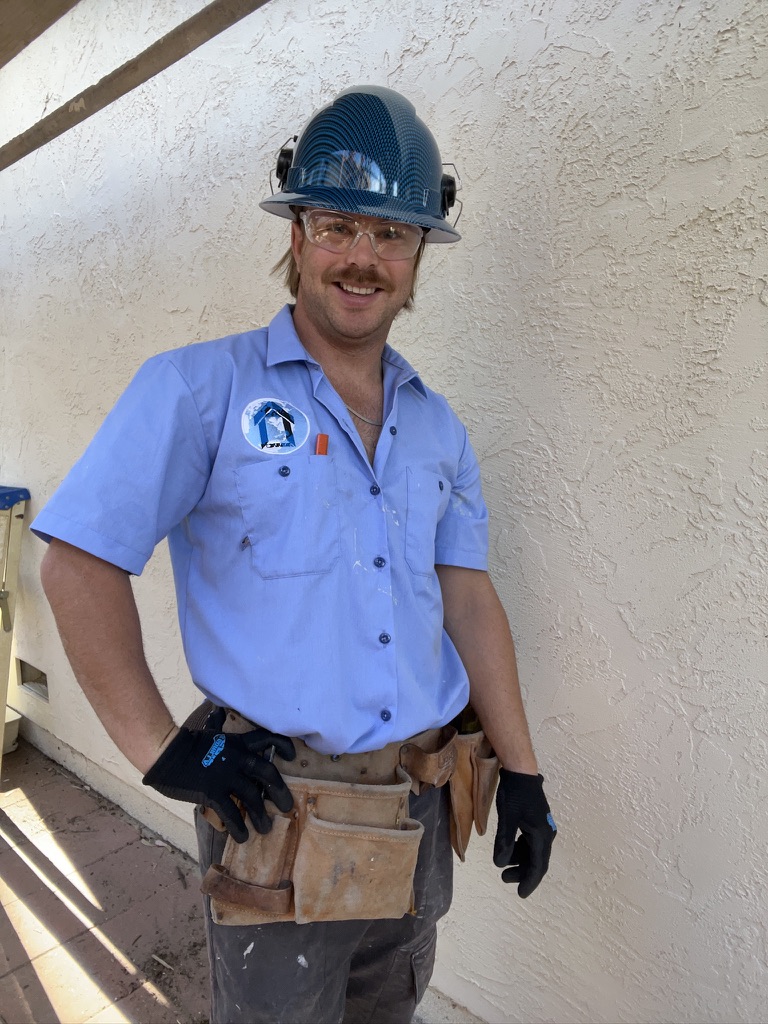
From All World Construction LLC
Owner Austin Mitchell · About AWC · Verify CSLB #1063936 · Updated
Two electrical proposals can show similar totals while describing different projects. One may include a verified route, shutdown coordination, penetrations, finish restoration, and closeout records. Another may price only electrical labor at an assumed location. A useful comparison puts each proposal against the same owner brief and separates confirmed work from allowances, exclusions, and unresolved field questions.
Check the basis of scope
Confirm that each contractor reviewed the same equipment, intended use, location, photos, access conditions, and existing-system information. The proposal should identify the verified facts it relies on and the items still subject to field review. A model category or verbal description is weaker than exact product documents.
Look for assumptions about service or panel capacity, routing, existing labels, concealed construction, and approvals. An assumption is not necessarily a problem when it is visible and paired with a verification step. It becomes risky when the price depends on it but the proposal does not say so.
- Match exact equipment and location across proposals.
- Highlight every allowance, exclusion, and owner responsibility.
- Ask what field finding would change the price or route.
Compare the whole construction impact
Trace the route and list excavation, openings, penetrations, supports, weather details, access, protection, shutdowns, paving, landscaping, stucco, drywall, texture, and paint. Mark each item as included, owner-provided, by others, or unresolved.
Review occupancy and schedule language. A low number may assume unrestricted access, an empty work area, daytime shutdowns, or finish work by others. Those assumptions should match how the property can actually operate during the project.
Read the change and approval process
A clear proposal explains how concealed conflicts, equipment substitutions, access changes, and added restoration are documented and approved. It should identify who coordinates applicable permits, inspections, utility involvement, property approvals, and specialty trades for the final scope.
Do not treat a broad “to code” phrase as a complete work description. The proposal still needs specific equipment, route, protection, construction, review, and closeout responsibilities. Applicable requirements should be handled by the responsible qualified parties based on the actual work.
Define the handoff before signing
Ask what closeout will include: equipment and route record, labels, applicable test or inspection documentation, photographs, instructions, finish confirmation, open items, and owner maintenance responsibilities. The handoff should make clear what was completed and what was not evaluated.
For a project that needs field verification, AWC offers a $250 Site Evaluation + Written Bid Package. The $250 is credited back when the quoted work is approved within 30 days. AWC, led by Austin Mitchell, CSLB 1063936, can prepare a coordinated multi-trade scope when electrical work affects construction finishes or site access. Call 619-327-9513 to schedule the evaluation.
Planning checklist
- Every proposal uses the same equipment and use brief.
- Capacity and route assumptions are visible.
- Shutdown, access, and protection are defined.
- Excavation, penetrations, and restoration are assigned.
- Changes and outside approvals have named responsibility.
- Closeout documents and unresolved items are listed.
Common questions
Should I choose the lowest electrical proposal?
Compare scope, assumptions, restoration, access, review, change control, and closeout first. A lower number may cover a narrower project.
What if one proposal assumes a different route?
Ask for comparable route options or have each contractor price the same defined route basis, with verification conditions stated.
Why define closeout before work begins?
It sets expectations for labeling, records, finish completion, open items, and the information the owner will need for operation or later work.
Related AWC field context
AWC article
Behind AWC: The Part of Contracting You Don’t Usually See
See how investigation, trade coordination, communication, and closeout help turn scattered repair tasks into a clear scope.
AWC field video
Running conduit to kitchen island #concrete
A separate AWC field example shows why a conduit route and the surrounding surface work belong in the same planning discussion. It is not the Kensington case study.
Watch directly on YouTube ↗